
Thought for Food:
Plov
(Uzbek Rice Pilaf)
I have not been to Uzbekistan, but a good friend who spent a couple of years there in the Peace Corps happily introduce me to their cuisine. When an Uzbek restaurant (Chaihanna) opened in Buffalo Grove, I had the joy of trying her favorite dishes. Sadly, this place did not last (the area was levelled for other building projects), but by the time it was lost, I had a fair understanding of the cuisine, including plov.
In time, another Uzbek restaurant opened in Buffalo Grove: Tandor Samsa. While some of my favorite items vanished with the loss of Chaihanna, they do have a few other favorites, including plov. But then it would probably be hard to have an Uzbek restaurant without plov.
Plov is a rice dish, with the name, perhaps not surprisingly, related to pilaf. But plov is more than just a tasty dish; it is the national dish of Uzbekistan. It was recognized by UNESCO in 2016 on their Intangible Cultural Heritage of Humanity list. (Though many of the surrounding nations also claim plov as part of their culinary heritage.)
In Uzbekistan, this is the dish of festivals and celebrations, as well as of week-night meals. It is eaten by rich and poor. It is often made in huge quantities, cooked outdoors in massive pans, with a shovel instead of a spoon to stir.
This can be made with beef, as they do raise cattle in Uzbekistan, but lamb would be an older choice—and I love lamb, so it’s also my choice. Including carrots makes sense, too, as they originated in this general area. And it may look like a lot of cumin, but that, too, is an integral and ancient part of Central Asian cooking.
Don’t worry if you don’t have 8 people to feed. This holds up well for a few days in the fridge. (I like it well enough to count on leftovers.) Enjoy.
Plov
Salt and pepper (fresh ground)
4 Tbs. olive oil (or whatever oil you prefer‚ or even animal fat)
1½ pounds lamb shoulder
2 large yellow onions
1 Tbs. plus 1 tsp. ground cumin, divided
3 tsp. ground coriander, divided
Garlic bulb, whole
4 or 5 medium carrots
½ cup dried fruit (see Note)
3 cups basmati rice (never “converted” rice)
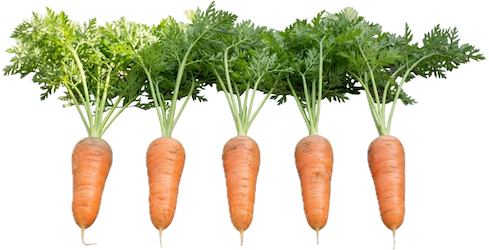
Cut lamb into roughly ¼- to 1-inch cubes. Do not trim off the fat. Cut the onions in half and slice in ½-inch slices. Remove most of papery coating off garlic bulb, and cut off top ⅓ of bulb (but leave whole). Cut the carrots into slices or matchsticks. (If carrots are fat, split in half before slicing.)
In a 4-quart pot, Dutch oven, or casserole, over medium-high, heat the oil to shimmering. Add the lamb and cook, stirring occasionally, until brown on all sides (6 or 7 minutes). Stir in the onions, 1 Tbs. of cumin, 2 tsp. coriander, 1½ tsp. salt, and ½ tsp. pepper. Add 1½ cups water. Put garlic bulb, cut side down, into the meat and onions. Reduce heat to medium, cover, and simmer for 30 minutes, stirring occasionally.
Stir in the carrots. Return the mixture to a simmer over medium heat, then cover, reduce heat to medium-low and cook until both carrots and meat are tender (about 10 to 15 minutes). Remove pot from heat. Use tongs to remove the garlic bulb, and set aside. Stir in the dried fruit you've chosen. Return pot to stove.
Thoroughly rinse the rice, until water runs clear. (This is most easily done with a wire strainer.) Pour the rinsed rice across the meat mixture in the pot. Sprinkle rice with remaining cumin and coriander plus ½ tsp. salt and ¼ tsp pepper. Then, using the tongs, squeeze the garlic cloves out of the bulb, dotting it around the rice layer. Slowly add 6 cups water, trying not to disturb the rice too much. Bring to a boil over medium-high heat, then cover, reduce to low, and cook until water is absorbed. (Check the brand of rice you're using, as recommended cooking times may vary. For me, the 15 minutes noted on the package was perfect, but some brands recommend longer cooking time.)
Once water is absorbed, remove pot from the heat and let it sit for 10'minutes. Then stir to bring the layers together. Taste, and add salt and pepper if needed. To be traditional, serve directly from the pot.
Makes 8 servings.
Note: The traditional fruit used in this recipe is barberry, but it can be difficult to source. Because barberry, which is bright red, is loved for being tart, I like to use dried cranberries, which are from North America, and so not traditional, but it matches the color and flavor profile. Other fruit that would be suitable, and available in Uzbekistan, would be golden raisins or chopped apricots.
